
The History of Wyandotte, Michigan: One of Metro Detroit’s Oldest Riverfront Communities
Spotlight on the D
Archives
The History of Wyandotte, Michigan: One of Metro Detroit’s Oldest Riverfront Communities
SIGN UP FOR OUR NEWSLETTER
The History of Wyandotte, Michigan: One of Metro Detroit’s Oldest Riverfront Communities |
From Indigenous Roots to Modern Revitalization |
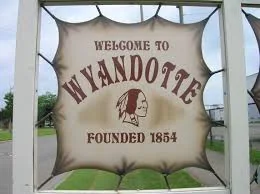 |
Wyandotte, Michigan, stands as one of Metro Detroit’s oldest riverfront communities, with a history that stretches back to the early 1700s.
Originally, the area was inhabited by the Wyandot (Huron) Native American people, who settled along the Detroit River, leveraging its abundant resources for fishing, trading, and transportation.
French fur traders were among the first Europeans to arrive, establishing a presence that would evolve into a bustling hub for shipping and industry.
Formally incorporated as a city in 1867, Wyandotte quickly gained recognition for its manufacturing prowess.
The Michigan Alkali Company emerged as a significant industrial force, producing soda ash essential for glass, detergents, and various chemicals distributed worldwide.
This industrial boom propelled Wyandotte into a central role in the Downriver economy during the late 19th and early 20th centuries.
The Detroit River was more than a backdrop; it was integral to Wyandotte’s identity.
Ferries, shipyards, and docks lined the waterfront, supporting thousands of jobs and fostering a vibrant community.
Residential neighborhoods expanded from the river inward, creating the classic grid of historic homes and tree-lined streets that define the city’s charm.
In recent years, Wyandotte has embraced a blend of its rich history and modern development.
Notably, the former McKinley Elementary School, closed for over 15 years, is undergoing transformation into 30 residential units, preserving elements like student artwork to maintain its historical essence.
Additionally, the city has embarked on a $12 million Downtown Infrastructure Project, reconstructing public parking lots and alleys, relocating utility lines underground, and enhancing public spaces with new landscaping and amenities.
These efforts aim to revitalize the downtown area, making it more attractive for residents and visitors alike.
Today, Wyandotte seamlessly integrates its storied past with contemporary small-town appeal.
The city boasts boutique shops, diverse restaurants, public art installations, and a walkable waterfront.
As one of Metro Detroit’s most historic communities and an early Downriver settlement, Wyandotte remains deeply connected to the river that has been central to its development. |