
Spotlight on the D
Archives
Detroit's Oldest Folklore Legend: The Nain Rouge
SIGN UP FOR OUR NEWSLETTER
Detroit's Oldest Folklore Legend: The Nain Rouge |
From Ancient Curse to Modern Celebration |
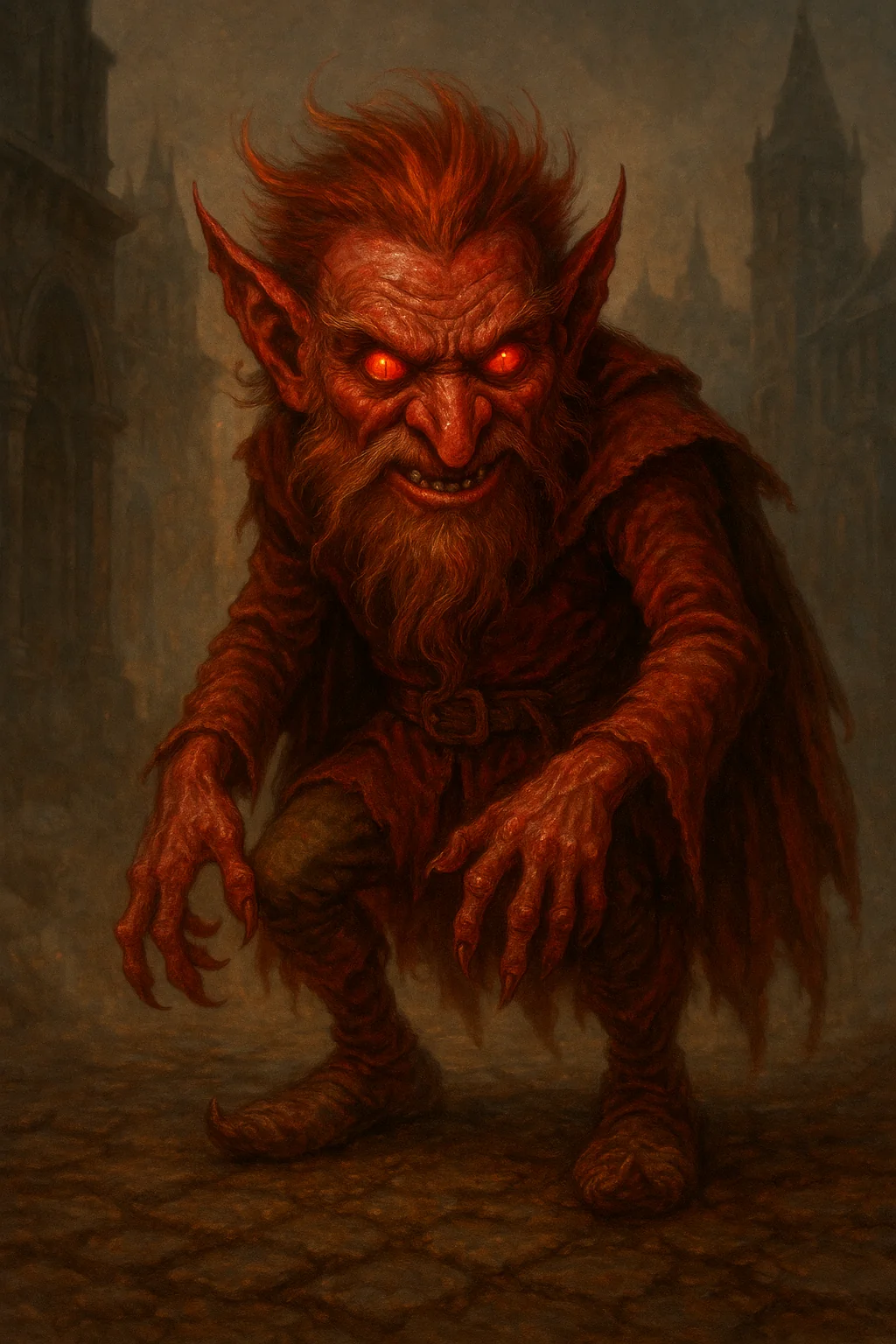 |
Long before the rise of automobiles, Motown melodies, or towering skyscrapers, Detroit was already home to a tale that distinguished it from other Great Lakes cities—the legend of the Nain Rouge.
The earliest documented mention of the Nain Rouge, or "red dwarf," dates back to the 18th century. According to lore, Detroit's founder, Antoine de la Mothe Cadillac, was forewarned by a fortune teller that misfortune would befall him if he ever disrespected a peculiar, red-skinned, dwarf-like entity. Disregarding the warning, Cadillac reportedly encountered the creature near the Detroit River, struck it with his cane, and soon after faced political and financial ruin. This incident is often cited as the origin of the so-called "curse" associated with the Nain Rouge.
Over the ensuing centuries, Detroiters have linked sightings of the Nain Rouge to significant calamities, including the Great Fire of 1805 and the 1967 riots. While historians debate the authenticity of these connections, the legend has undeniably endured.
In contemporary times, the Nain Rouge has become an integral part of Detroit's cultural identity. Each spring, the city hosts the Marche du Nain Rouge, a vibrant parade aimed at symbolically banishing the creature to safeguard Detroit from future misfortune. The 2025 event, held on March 23, featured a Groundhog Day-themed performance depicting the Nain's origin story. Thousands of costumed participants paraded through Midtown, accompanied by human-powered floats, marching bands, and neighborhood krewes, culminating in a symbolic "banishment" of the Nain Rouge. This modern tradition blends history, satire, performance art, and community spirit, demonstrating that some stories don't fade—they evolve and become integral to what makes Detroit unique.
For those interested in experiencing this unique event, the Marche du Nain Rouge typically takes place annually around the spring equinox. Participants are encouraged to don elaborate costumes and join the festivities, embodying the city's resilience and communal pride. |